Seu nome aqui

CAD Designer

About me

I am a highly motivated CAD and automotive design professional, consistently focused on strengthening and expanding my technical capabilities. I actively develop my proficiency in CATIA V5, exploring advanced methodologies and refining my ability to deliver precise, efficient, and well-structured designs. I approach technical challenges with a problem-solving mindset and believe that a strong balance between engineering rigor and creative thinking is essential for excellence and differentiation in this field.

Technical Proficiency

I am focused on mastering engineering software, with a strong emphasis on CAD design and technical precision. I continuously refine my skills in CATIA V5, ensuring that each project is carefully analyzed, accurately developed, and aligned with professional engineering standards.

Problem Solving & Innovation

I approach challenges with curiosity and a strong commitment to continuous learning, consistently seeking creative and efficient solutions. I continually refine my CAD techniques, exploring new approaches to improve the precision, quality, and reliability of my projects.

Project Management

I am committed to meeting deadlines and consistently strive to deliver projects that meet or exceed expectations. I structure my workflow strategically, ensuring that each phase of the project is well organized and prepared to handle potential adjustments or unforeseen challenges throughout the development process.

Portfolio Content

3D Modeling and Render

Inspection and Quality

2D Views and BOM

My Projects

Throughout my academic training, I have developed a range of projects aimed at strengthening my CAD proficiency and continuously refining my design capabilities over reverse engineering and benchmarking.

Each model represents a technical challenge that enabled me to explore and apply diverse modeling techniques. With a strong focus on precision, organization, and attention to detail, I approach every project with a high level of commitment and professionalism.

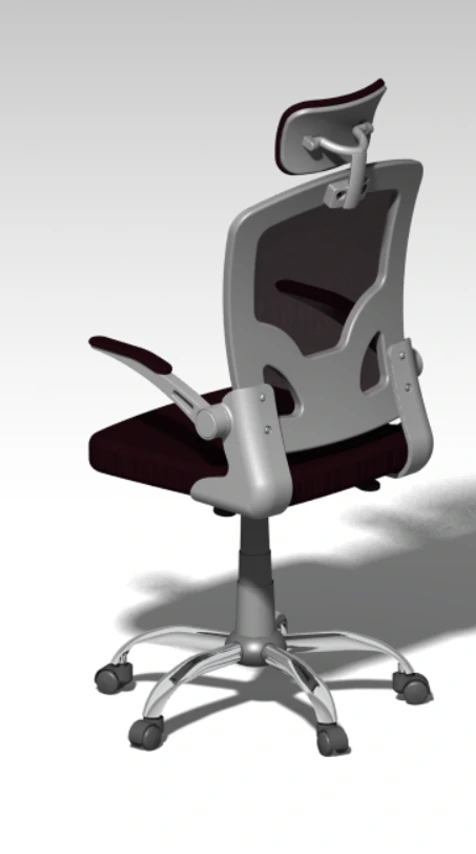
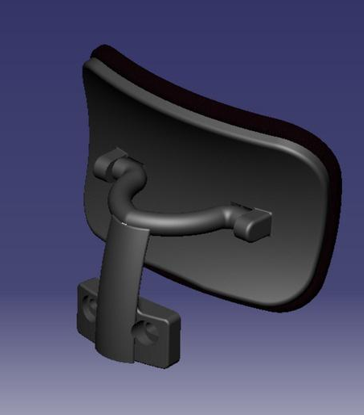
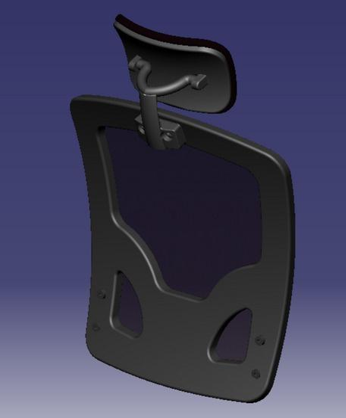
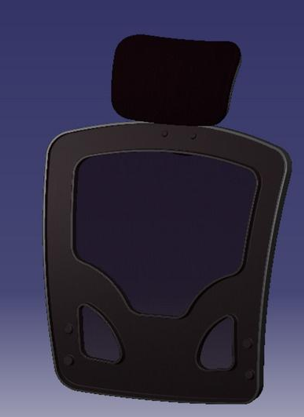
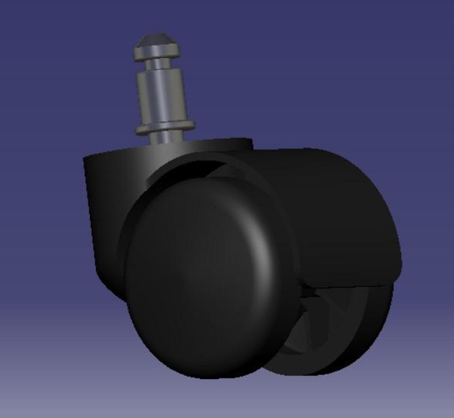
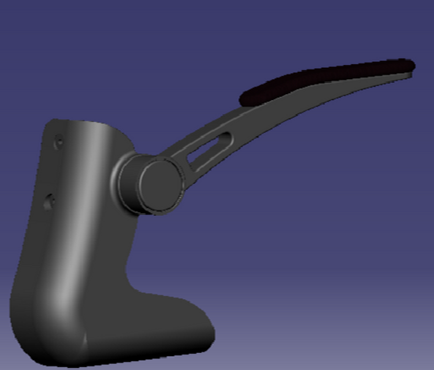
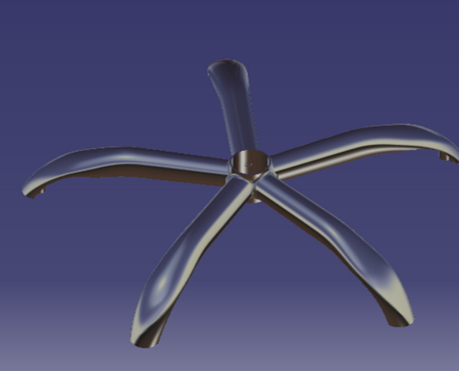
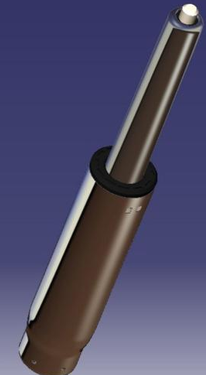
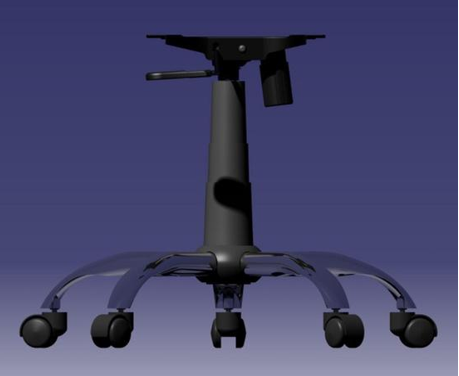
The Office Chair Design

The office chair design was my most complex and technically demanding project, developed under a strict seven-day deadline. Throughout the process, I also deepened my understanding of ergonomic principles, ensuring the design aligned with comfort, usability, and functional requirements.

To ensure efficiency and clarity, I structured the work into four distinct stages: Inspection, Physical Tools Used, 2D Development, and Finalization. Each stage was carefully planned to keep the model well-organized, accurate, and faithful to the original design specifications.

Inspection Process

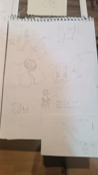
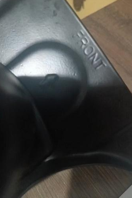
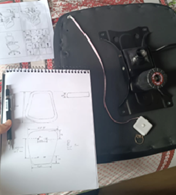
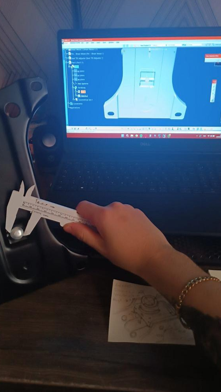
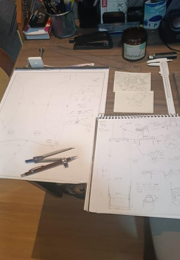
The entire project was executed with a strong focus on detailed inspection of every component. I utilized freehand sketching alongside the Canva tool to support visualization, analysis, and refinement throughout the design process.

Physical Tools used

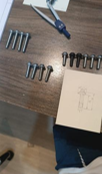
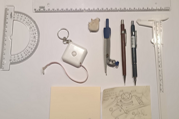
I utilized physical measurement tools combined with freehand sketches to support accuracy and concept validation throughout the project.

These tools included:

Modeling Process

After inspecting and measuring each chair component, I followed a structured organizational standard to ensure quality and consistency throughout the entire development process.

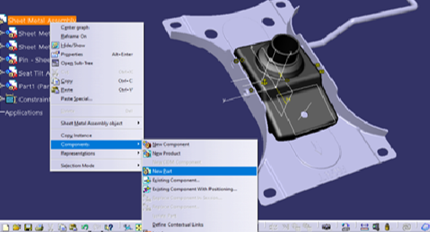
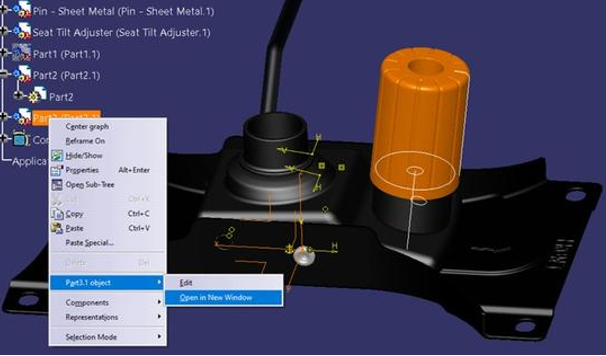
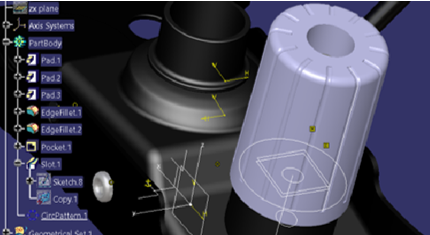
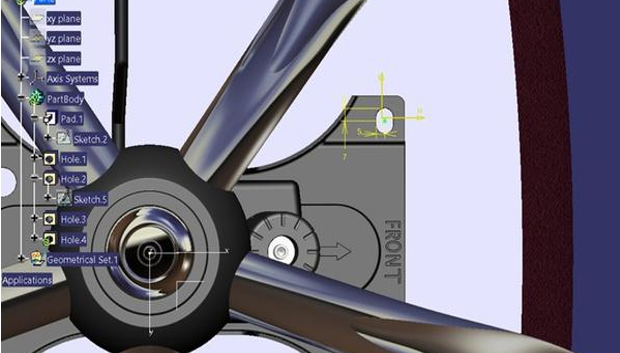
To accurately represent real geometry, I applied Surface Design, Sheet Metal Design, and Part Design methodologies, completing the project with a full assembly.

The chair was developed using a bottom-up assembly approach to ensure correct sequencing.
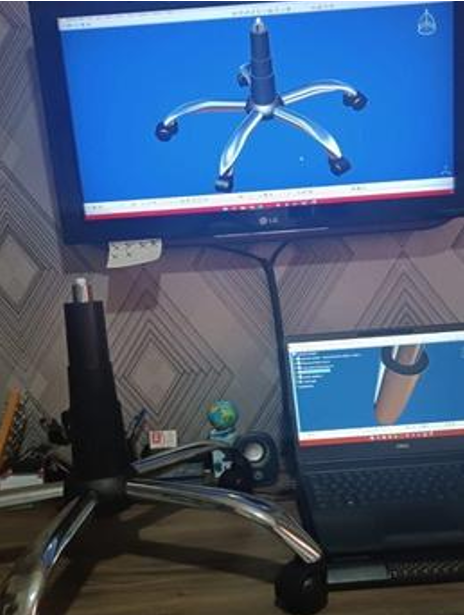
A physical-to-digital comparison validated accuracy between the real chair and the 3D CAD model.
All components were created with parametric constraints, and materials and colors were applied for visual validation

Modeling Process

Components and BOM check

2D View check

Comparison check

Real Chair

Real Chair

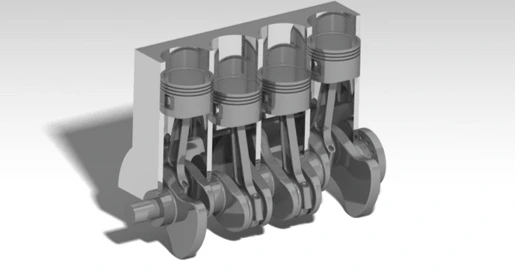
Car Engine Piston

This project focused on the assembly development of an internal combustion engine, with particular attention to moving components such as pistons, connecting rods, and the crankshaft. The objective was to strengthen my assembly modeling skills and improve my understanding of mechanical system interfaces.

A kinematic simulation was performed to visualize engine motion and verify proper functionality. This process provided valuable insights into system dynamics, component interaction, and the level of precision required for high-quality CAD modeling.

Assembly engine

Assembly development parts with internal combustion engine, focusing on modeling the main moving components, such as pistons, connecting rods, and the crankshaft. Enhancing my skills in Assembly and understand the interaction between these parts within the mechanical system. I also performed a kinematic simulation to visualize the engine’s motion and ensure everything worked smoothly. The results were providing valuable insights into its dynamics and precision in CAD modeling.

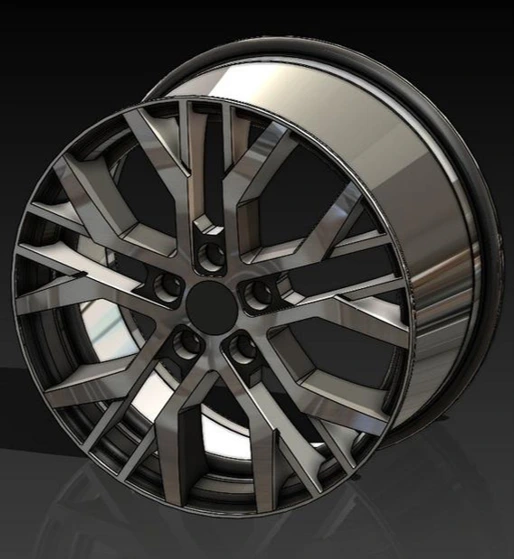
Automotive Wheel Design

The wheel was my first completed project in SolidWorks, playing a key role in building familiarity with the software’s interface and core functionalities. During this project, I also developed surface design techniques, which helped me better understand geometry control, curvature, and design intent. This experience strengthened my foundational CAD skills and allowed me to develop greater confidence and fluency in SolidWorks for both solid and surface modeling.

Alloy Wheel development

The project was developed based on a reference automotive wheel set, using approximate dimensions to achieve an accurate representation. The focus was on improving my proficiency in SolidWorks, including solid modeling, surface design, and geometric detailing. Clearance and interface checks with the brake system were also considered to ensure proper fitment and functional integration. This project strengthened my understanding of design intent, precision modeling, and component interaction in an automotive context.

THANK YOU